

Rubbish bags and waste sacks – the right waste sack for every area of use in the company
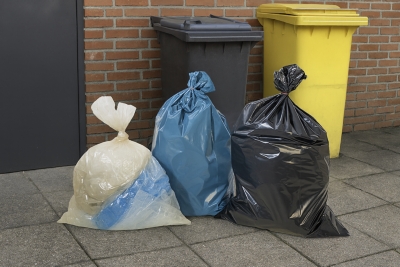
Rubbish bags and waste sacks are an often underestimated, yet key, component when it comes to ensuring company work processes are efficient. Whether for use in the warehouse, in production, in mailing processes or in the office – choosing the right waste sack has a big impact on the level of cleanliness, work safety and the speed at which processes are completed. This guide will help you to find the right rubbish bag for your specific area of use and avoid typical mistakes when purchasing them.
The most important decision making criteria are a key focus: size and volume, material and material source as well as the question of which waste sack is suitable for which waste. The aim is to give you well informed guidance and direct you straight to the most suitable products.
Different waste sacks and how they are used
There are big differences between rubbish bags and waste sacks according to their area of use. While thinner rubbish bags are often used in indoor areas such as offices or sanitary facilities, more robust waste sacks are primarily used in logistics, production or outdoor areas. The decisive factor in this case is not just the capacity, but also their strength and the material used.
For companies, this means that using one universal rubbish bag for all areas of use is rarely an optimal solution. A selection based on actual needs saves costs, reduces downtime and ensures structured waste disposal processes.
Size and volume – the right rubbish bag for every container
The right rubbish bag size is primarily based on the volume and shape of the waste collector. Standard sizes range from small 10 l bags to large volume waste sacks with a capacity of more than 240 l.
Calculating which dimensions the bag should have is crucial to ensure an optimum fit. For round waste collectors, the bag width chosen is based on the diameter; for square collectors, the width and depth are used. In addition, a tolerance should always be included in the calculation to ensure that the waste sack is not pulled too tight, and can be reliably pulled over the edge of the container.
This document makes it easy to determine the correct rubbish bag size for your waste collectors, and can also be downloaded.
Typical areas of use are:
- 10 – 20 l: sanitary areas, small volumes of office rubbish
- 20 – 35 l: offices, kitchenettes
- 50 – 60 l: workstations, smaller storage areas
- 70 – 120 l: logistics, mailing processes, workshop
- More than 120 l: industry, production, outdoor areas
Material and material source
Along with the size, the material plays a key role. Two types of plastic in particular have become established in B2B practices:
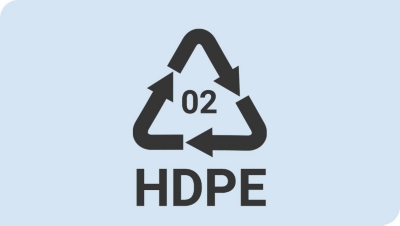
HDPE (high density polyethylene):
Thin, light in weight and economical. Suitable for light to medium heavy waste without sharp edges, such as office and household waste.
HDPE (or PE-HD) can be identified by the crackling sound it makes when it is moved. It is more temperature resistant and is often used for thinner materials (waste sacks). Due to its higher density, it is extremely tear resistant when used for thinner sacks, but any tears that form will spread easily.
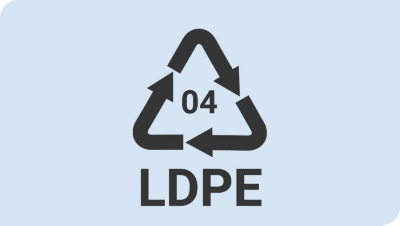
LDPE (low density polyethylene):
Softer, more elastic and significantly more resistant to tears. Ideal for pointy, sharp edged, heavy or wet waste.
The higher elasticity of LDPE (or PE-LD) means that it exhibits a higher tear resistance. It does not rip as easily and is more resilient to holes being formed.
Waste sacks made from recycled material are also becoming increasingly significant. They combine ecological responsibility with a higher level of practical suitability and are a sustainable alternative for many commercial uses.

Waste sacks made from post-consumer recyclate (PCR)
- Made of end consumer waste products, e.g. packaging and plastic bottles
- Recycling by means of collecting, sorting, cleaning and processing
- Greater complexity due to contamination and material diversity
- Environmental benefits due to less landfill waste and reduction in demand for raw materials
Waste sacks made from post-industrial recyclate (PIR)
- Made of production waste such as surpluses and offcuts
- Direct, clean and more homogeneous recycling process
- Lower complexity due to less contamination
- Environmental benefits due to increased resource efficiency, less production waste and promotion of the circulatory economy
Which waste sack is suitable for which waste?
Every type of waste places different requirements on the rubbish bag used. Clearly defined waste allocation is recommended to ensure efficient disposal:
- Paper and cardboard:
High volume waste → larger bags with a sufficient width - Films and packaging material:
Light but bulky → sturdy LDPE bags - Production waste:
Heavy or bulky → tear resistant waste sacks with thick material - Residual and mixed waste:
Universal sacks with a high max. load
Differentiating between the different types makes work processes easier and helps prevent an unnecessary loss of material.
More efficient work processes with the right waste sack
Using the best suited rubbish bags has a direct impact on daily work:
- Fewer torn sacks
- Tidy disposal areas
- Less time required for changing sacks
- Plannable reordering processes
In logistics and production in particular, the right choice helps to stabilise processes and reduce costs.
In order to make the best and most efficient use of waste sacks, using suitable waste or recyclable waste collectors is recommended. Find out which products are suitable for you in our Guide to waste and recyclable waste collectors.
Frequently asked questions about rubbish bags and waste sacks
Which rubbish bag size should I choose?
The rubbish bag should always be slightly larger than the volume of the collector so that the waste sack is not pulled too tight.
How do I calculate the size of rubbish bags for round or square containers?
The calculation is based on the diameter or width and depth of the container, to which a small tolerance is added. Detailed information can be found here.
Are recycled waste sacks just as resilient?
Yes, high quality recycled waste sacks are ideal for many commercial uses.
Which material best suited for heavy waste?
LDPE waste sacks provide the highest level of tear resistance.
Find suitable rubbish bags and waste sacks now
A systematic choice of the right rubbish bags ensures smooth waste disposal processes and promotes efficient workflows in the company. Use the information gained here to select the right waste sacks for your needs and find them directly in our product range.
Our top combinations
Tightly sealed
Flexible and lightweight
Fire extinguishing
In passing
Our top all round combinations

Contact us!
We are available to answer any further questions you might have.